The Character Keeper's Handbook: Deciding What Survives Your Renovation
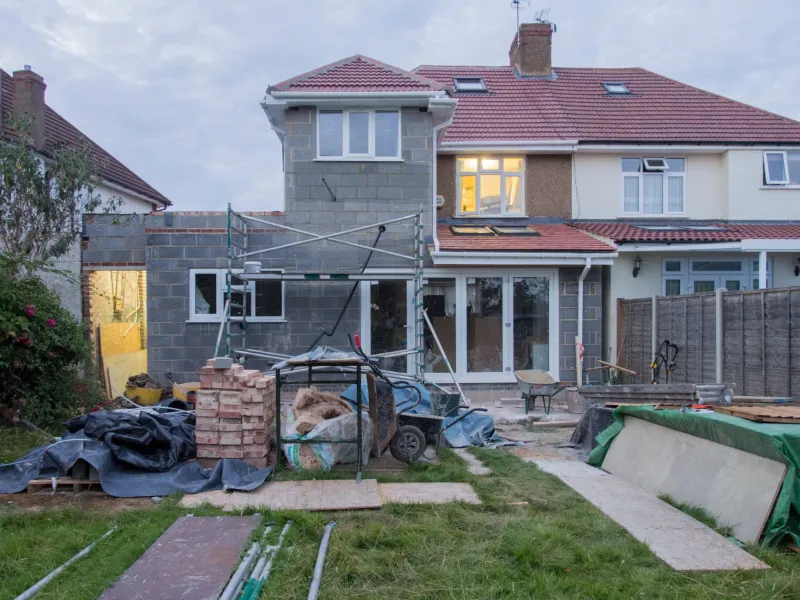
There's a moment in nearly every renovation when someone stands in a half-stripped room, tool in hand, and asks the question that will shape the next six months: is this actually worth saving?
Sometimes it's a sash window with a soft sill. Sometimes it's a pile of original boards with a century of paint lodged in the grooves. Sometimes it's a fireplace that a previous owner boarded over in the eighties and never mentioned again.
The reflex answer is to rip it out and start clean. The smarter answer is usually a bit more considered — and it changes from house to house. So here's the framework we'd use.
The instinct to preserve isn't automatically the right one
Character is one of the few things you can't buy back once it's gone, and buyers in period-rich towns from Bristol to Sheffield still pay a premium for it. But sentiment is a terrible project manager. A feature only earns its place if it can be made safe, warm and durable without swallowing a chunk of your budget that would be better spent on, say, a functioning bathroom.
Our rule of thumb: repair where the original fabric is structurally sound and the fix is a specialist job, not a rebuild. Replace where the item is rotten through, has already been heavily altered, or where keeping it would compromise the thermal performance of the whole house.
1. Sash windows — repair first, but do the maths
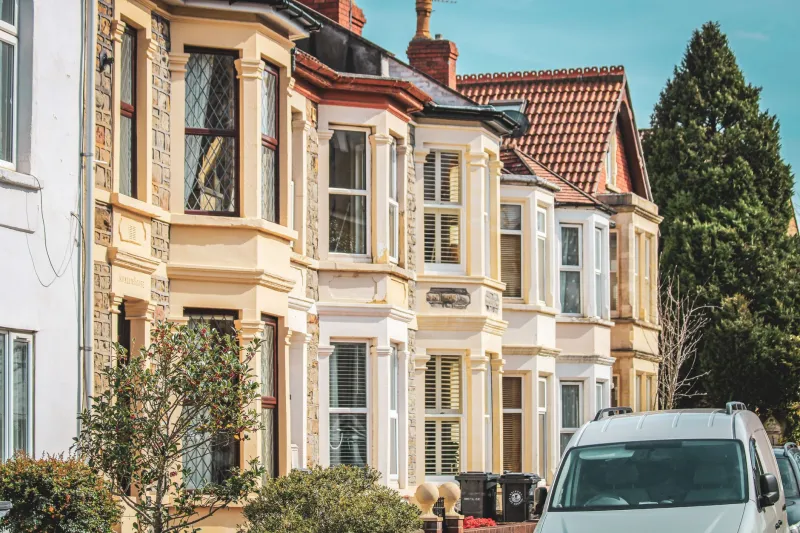
Original sash windows are the single most divisive feature in a Victorian or Edwardian home. Well-maintained ones can hit a respectable EPC rating once you add secondary glazing, draught proofing and decent shutters. A proper overhaul — re-cording, new sills, re-puttying, draught seals — typically lands somewhere between £350 and £700 per window in 2026 money. Full timber replacements in a matching style cost considerably more but can transform comfort and noise levels in a street-facing room.
Verdict: overhaul if the frames are solid and the boxes aren't shot. If more than a couple of sills have gone and the glazing bars are patchy, a like-for-like timber or high-quality timber-alternative replacement is often the better long-term buy.
2. Original floorboards
Pine boards in a hallway or living room are quietly brilliant. They're forgiving, they take a stain beautifully, and they can be lifted and relaid when services need running underneath. Expect £25–£45 per square metre for sanding and finishing, plus extra if you need to replace rotten sections or deal with historic woodworm.
Verdict: almost always worth saving in reception rooms. In kitchens and bathrooms, though, a bit of pragmatism goes a long way — a well-laid engineered board or tile over a properly prepared substrate will serve you better than a floor that flexes every time the dishwasher runs.
3. Fireplaces and chimney breasts
An intact cast-iron insert with its original surround and tiled slips is a genuine asset. Restoring one usually means a sweep, a proper flue test, a hearth that meets current rules and — if you want an open fire or log burner — a Hetas-registered installer. Budget £1,500–£3,500 depending on what's missing.
Where it gets murky is the chimney breast that's been half removed, or the opening that's been bricked up with no ventilation. A sealed-up flue without airflow is a damp magnet.
Verdict: restore where the surround is original and the flue is usable. Where the breast has been chopped about, a ventilated closure with a reclaimed mantel is a tidier, cheaper answer than chasing an open fire you'll rarely light.
4. Panelled doors and their ironmongery
A 1930s four-panel door is a lovely thing and widely undervalued. Stripping decades of gloss is grim work but a dip-and-strip plus a repaint costs far less than a new door of comparable quality. Keep the original brass or bakelite handles if you can — reproductions rarely feel the same underhand.
Verdict: save them, every time, unless they've been trimmed so far they no longer fit the frame.
5. Cornices, ceiling roses and picture rails
Run-of-the-mill Victorian plasterwork is usually repairable with filler and patience, and matching sections can be cast from a mould if a chunk has gone. It's fiddly, dusty work — but replacing lost cornice with a stock profile from a builders' merchant often looks slightly off in a room with original proportions.
Verdict: repair. This is one of the cheapest character wins on the list.
6. Tiled hallways and fireplace surrounds
Encaustic and geometric Victorian tiles are tough as old boots and clean up remarkably well with the right approach. Missing tiles can be sourced from salvage yards, though matching a pattern exactly can take months. If the tiles are lifting, resist the urge to rip up the lot — a specialist can often relay them on a fresh bed.
Verdict: almost always salvage, but get a tiling specialist to look before you commit.
7. Staircases and balustrades
Original staircases are structural, characterful and difficult to replicate convincingly. If the treads creak, that's fixable. If the banister has been boxed in during a seventies rethink, unpicking it is worth the effort. Just be aware that any alteration to the balustrade needs to meet current guarding heights, which can affect how open you can go with spindles.
Verdict: keep the structure; modernise the handrail and spindles if the old ones fail safety rules.
When letting go is the sensible call
There are clear cases where replacement wins. Rotten structural timbers are one. Anything containing asbestos — old floor tiles, some textured coatings, certain fire surrounds — is another, and it needs a licensed contractor, not a weekend and a YouTube video. Lead paint on worn surfaces is a third.
Then there's the energy question. If keeping a feature means your kitchen is permanently cold and the room needs two radiators to compensate, the honest maths may favour a modern equivalent with better thermal performance. That's not vandalism; it's just good housekeeping.
Finally, consider resale. Buyers in a conservation area or a listed building will expect original features to have been respected — and your local authority will expect it too. Elsewhere, a well-insulated home with a handful of beautifully kept original details tends to sell faster than one full of half-finished restoration projects.
A quick decision framework
Ask three questions. Is it structurally sound? Can it be fixed by someone who knows what they're doing, at a price that doesn't crowd out the essentials? And will keeping it make the house warmer, quieter or more valuable?
Two yeses out of three and it's usually worth saving. One or none, and you can pick up the crowbar without guilt.
The bottom line
Renovating an older home isn't a museum project. It's a negotiation between what the building was and what your family needs it to be. Save the things that carry the story — the boards underfoot, the light coming through a well-kept sash, the door that sticks slightly in winter. Let go of the rest, and put the money somewhere that makes everyday life better.