The First Six Metres: A Front Garden That Belongs to the House
Most renovation conversations start at the front door. The street, however, meets the house several metres earlier. That first stretch — path, boundary, bin, gate, a bit of greenery — does a lot of quiet work. It tells you where to walk, where to stop, and whether the house looks cared for or merely got at. Treating the front garden as part of the renovation, rather than something to sort out after the skip has gone, is one of the better-value moves you can make.
The aim is not to dress a Victorian terrace as a thatched cottage or give a 1930s semi a formal parterre it never asked for. The aim is a front garden that belongs to the house, suits the street, and still looks reasonable on a wet Tuesday in February.
Start with the house, not the mood board
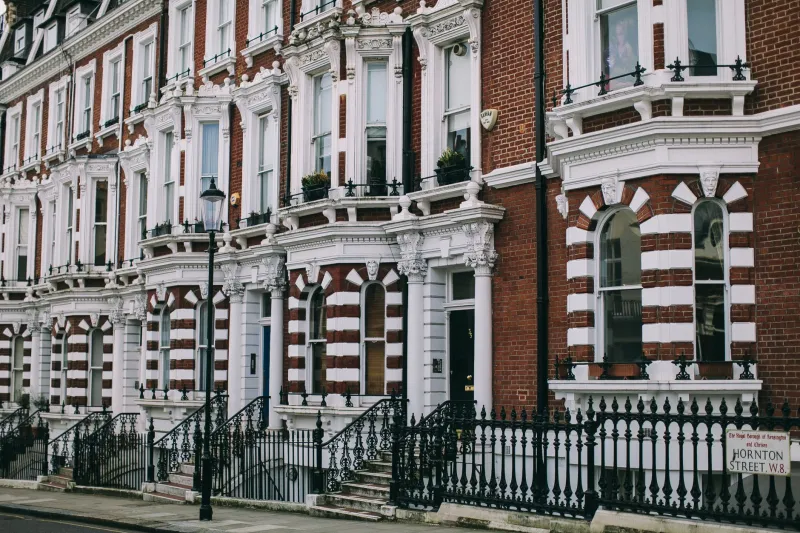
Before you buy a single bag of gravel, stand on the pavement opposite and look at the house properly. What are its proportions? Where does the front door sit? Is the facade symmetrical, or pleasantly off-centre? A path that lines up with the door usually feels calmer than one that wanders for the sake of it. A low hedge that echoes the height of an existing bay or boundary can look more considered than a picket fence chosen because it photographed well.
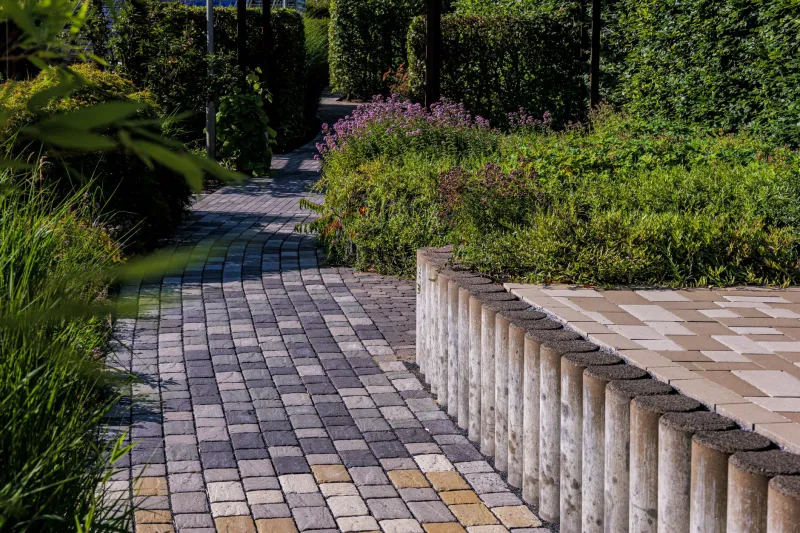
Materials matter too. If the house is brick, stone or render, choose paving that supports it rather than shouts over it. Reclaimed flags, rumbled concrete, clay pavers and simple gravel all have their place, but they behave differently underfoot and in the rain. The front garden is a working surface as well as a welcome mat: it has to take deliveries, wheelie bins, buggies and the occasional wobbly guest.
The path does more work than the planting
A good front path is wide enough to use without thinking. Around 900mm to 1.2m is a sensible starting point for most homes, with a gentle slope away from the house and a surface that is not a skating rink when wet. If anyone in the household uses a wheelchair, walking aid or simply prefers not to teeter, avoid loose gravel and narrow stepping stones. Firm, level and well-drained beats picturesque every time.
If existing flags are sound, keep them. Lifting and relaying them on a proper base, with permeable joints, is often cheaper than importing a whole new look — and it keeps some of the house's history at the threshold. Where levels are tight, a shallow channel or a small planted strip can handle runoff better than a hopeful puddle by the door.
Boundaries: keep the street relationship
Front boundaries are where enthusiasm can run into planning rules. In England, walls, fences and gates next to a highway are generally limited to about one metre in height without permission, and the rules differ in Scotland, Wales and Northern Ireland. Conservation areas, listed buildings and Article 4 directions can tighten things further. Check with your local council before ordering a tall fence or a chunky brick wall, especially if the house is period or the street has a strong pattern of low boundaries.
A low hedge, a replanted original wall or a simple railing often does more for street presence than a solid barrier. It also keeps light coming into the front room, which matters more than many of us admit until the fence goes up. If bins are the real reason for the boundary, build for bins: a ventilated store with a level route, a lid that opens without a wrestling match, and enough space for the recycling box nobody enjoys carrying.
Paving, drainage and the five-square-metre rule
In England, front-garden hard surfacing over five square metres needs planning permission if it is impermeable and does not drain to a soakaway or rain garden. Permeable paving, gravel with a suitable base, planted gaps and rain gardens can all reduce the issue, but local advice is worth having before you pave the whole forecourt. The same goes for changes in a conservation area or on a listed building.
A front garden does not need to be fully paved to be practical. A firm path, a small parking area if that is genuinely needed, and planted edges can be enough. Rain that lands on soil, rather than running straight to the drain, is one less thing to worry about.
Planting that suits the postcode
Right plant, right place is less boring than it sounds. A front garden that faces south and bakes all day will not thank you for damp-loving ferns; a shady north-facing strip will not reward lavender with months of flowers. Look at what grows well nearby, then choose sturdy structure first: a small evergreen, a clipped box alternative, grasses or ferns. Seasonal colour can come later, in pots or gaps.
Avoid invasive plants and anything that will block the path within two summers. Window boxes and a couple of decent pots can soften a hard facade without demanding a weekend of pruning. If maintenance is not your idea of a hobby, choose fewer plants and mulch them properly. A simple, healthy front garden reads as confident. A crowded one reads as effort — sometimes the wrong kind.
Lighting, numbers and the small signals
Front-garden lighting should help you find the lock, not announce a runway. A warm, low-level wall light or a couple of bollards on a timer or sensor is usually enough. Keep glare away from neighbouring windows and avoid up-lighting that makes the street look like a car showroom.
Then check the small things: can the house number be read from the road? Does the letterbox work? Is the gate latch easy for a visitor, a postie and a delivery driver? These are not glamorous upgrades, but they are the bits people actually use.
A sensible order to spend
Start with clearing, repairing and drainage. Then the path. Then boundaries and bin storage. Planting and lighting can follow when the bones are right. Reusing existing materials where possible, buying paving in one batch, and spending on a decent base rather than fancy pots will usually give a better result than a scattergun approach.
A front garden is not a stage set. It is the first six metres of home. Get the route, the boundary and the drainage right, choose plants that suit the light, and the welcome will look natural — because it is.