Sticking, Rattling, Beautiful: What to Do With Old Sash Windows
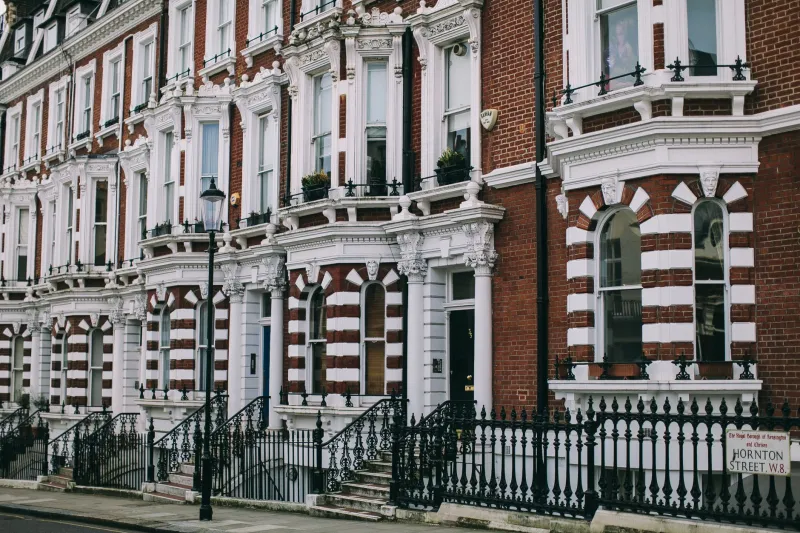
There's a moment in most period-home renovations when someone — a builder, a neighbour, a bloke in the pub — looks at your windows and says the words "you'll just replace those, yeah?" And suddenly you're staring at a set of slightly tired sashes wondering whether you're being sentimental or sensible by wanting to keep them.
Here's the thing: sash windows are one of those features that quietly do a lot of heavy lifting for a house's character. The proportions, the glazing bars, the way the light lands on a room — replace them with something flat and white and the front of the house can start looking faintly embarrassed. But keeping them isn't automatically virtuous either. Cold, rattly windows are miserable, and nobody renovates a house to be cold in it.
So this is a decision guide, not a lecture. The good news is that in most cases there's a middle path between "live with it" and "rip it out".
Start with the timber, not the draught
Before you think about seals, glazing or quotes, have a proper look at the wood. Sash windows fail in fairly predictable places: the bottom rail (that's the horizontal bit at the base of the lower sash), the cill outside, the meeting rail in the middle, and the corners where water sits.
Poke about with a small screwdriver. If it goes in easily and comes out with soft, crumbly wood attached, you've found rot. Minor rot — a soft patch or two, maybe some furring along the bottom — is usually repairable with resin fills or a spliced-in piece of timber. Serious rot across a whole rail or down the stiles is a bigger job, but even then, a joiner can often rebuild sections rather than replace the entire window.
What you're really assessing is this: is the timber sound enough to hold a screw, keep out water and take a new coat of paint? If yes, repair is on the table. If it's crumbling to the touch in multiple places, replacement of that particular window starts to make more sense.
While you're there, check the sash cords and weights. Broken cords are common and surprisingly cheap to fix. A window that won't stay up isn't necessarily a dying window — it's often just a snapped cord and a weight sitting at the bottom of the box frame.
Draught-proofing: the cheapest win in the house
If the timber is basically sound, draught-proofing is almost always the first thing to do, and it's remarkable what a difference it makes. Most of the cold air coming through an old sash isn't coming through the glass — it's coming around the edges of the sashes, through the meeting rail, and past the pulley wheels.
A decent brush or foam seal around the sashes, a bit of sealant where the frame meets the wall, and a strip along the meeting rail will cut a surprising amount of draught. Kits cost anywhere from about £40 to £150 per window if you're doing it yourself, and a professional will typically charge somewhere in the region of £250 to £500 per window including materials.
Is it a permanent fix? No. Seals degrade, brushes wear out, and you'll be replacing them every few years. But the payback is immediate — comfort, not just bills — and it buys you time to think about the bigger decisions without shivering through another winter.
Secondary glazing: the quiet overachiever
If draught-proofing isn't enough and the windows are single-glazed, secondary glazing is worth a serious look. It's a separate glazed panel fitted inside the existing window, usually on the room side, and it can be fitted to sash windows without changing the exterior appearance at all.
There are two broad camps. DIY acrylic or slim aluminium kits are cheap — perhaps £80 to £250 per window — and work reasonably well for noise and draughts, though they can look a bit improvised. Professionally fitted secondary glazing with proper frames and opening sections sits more in the £300 to £700 per window range, depending on size and specification.
The trade-offs are honest: you lose a little sill depth, you have two surfaces to clean, and depending on the design you may need to open the secondary pane to get at the sash. But for period homes where the exterior look matters — which is most of them — secondary glazing is often the sweet spot. It keeps the original windows, improves comfort noticeably, and doesn't need listed building consent in most cases (though always check).
When repair beats replacement
Repair usually wins when:
- The timber is mostly sound and rot is limited to one or two areas.
- The windows are original to the house and contribute to its character or its listed status.
- The frames are plumb and the sashes still slide (even stiffly).
- You're working to a budget and want the biggest comfort gain per pound.
A full overhaul — cords, weights, re-puttying, repairs, draught seals, repaint — typically costs somewhere between £400 and £900 per window with a good joiner. That's not nothing, but it's often less than half the cost of replacement, and you keep the original glass, the original proportions and the original detailing.
When replacement is the sensible answer
Replacement makes sense when the window is beyond economic repair: widespread rot, failed joints, warped sashes that bind no matter what, or a previous 'repair' that's left a mess of filler and mismatched sections.
If you do replace, be careful about what you replace with. uPVC is cheap and low-maintenance, but on a period house it rarely looks right — the glazing bars are too chunky, the profiles too flat, the whole thing a bit shiny. Timber replacements designed to match the originals, or slim-profile aluminium in the right setting, cost more but age far better. Expect roughly £1,200 to £2,500 per window for a good timber sash replacement, and more for high-spec double-glazed heritage units.
One honest note on payback: replacement windows rarely pay for themselves through energy savings alone. The maths doesn't work like that in most UK homes — the savings are real but modest, and the case for replacement is usually about condition and comfort rather than bill reductions.
The rules bit (don't skip it)
If your home is listed, replacing windows almost always needs listed building consent, and consent is often refused where the originals contribute to the building's significance. Repairs, draught-proofing and secondary glazing are generally treated much more kindly — but always talk to your local conservation officer before ordering anything.
In a conservation area, the picture varies. Some areas have Article 4 directions that remove permitted development rights for window replacement, meaning you'd need planning permission. Others don't. A two-minute call to the council's conservation team will save you a very expensive mistake.
The short version
Look at the timber first. Draught-proof if it's sound. Consider secondary glazing if you want more comfort without changing the outside. Overhaul with a joiner if the bones are good. Replace only when the window genuinely can't be saved — and then replace with something that respects the house.
Old windows aren't a moral cause, but they are usually better than people assume. Give yours a fair hearing before anyone reaches for the skip.