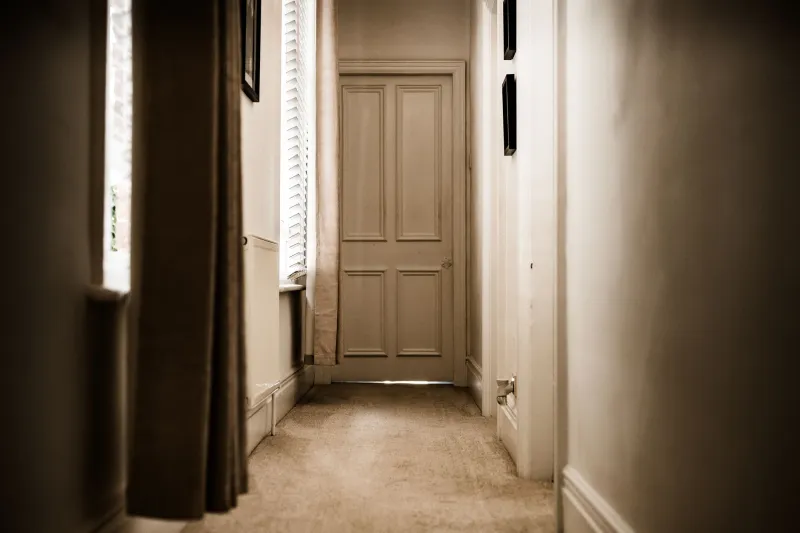
The Room Everyone Walks Through: A Sensible Budget Case for Your Hallway
Most renovation budgets get spent where the photographs will be taken. The kitchen island. The bathroom with the freestanding tub. The sitting room with the carefully chosen sofa. Meanwhile, the hallway — the one space every single person, parcel and muddy pair of boots passes through — waits patiently for its turn. Often forever.
That is a bit backwards. The entrance hall is not a lobby. It is a working room with a heavy workload, and it happens to set the tone for everything behind it. If you are planning work in 2026, it is worth asking whether the hallway deserves first call on the money, rather than whatever is left at the end.
The hallway is a working room, not a lobby
Think about what your hall actually does. It is a cloakroom, a post room, a dog-drying station, a school-bag drop zone and a first impression, all within a few square metres. It takes wet coats, gritty shoes, delivery boxes, wet umbrellas and the full force of a family coming home in a hurry.
That is why it wears out faster than rooms that get used more gently. A hallway floor can look tired within a couple of years if it was specified for looks rather than life. Stair balustrades get grabbed daily. Walls collect scuffs at hip height. The ceiling light is often a single pendant that makes everyone look slightly unwell.
Treat the hall as a working room and the budget starts to make sense. This is not about creating a grand entrance. It is about making the hardest-working space in the house durable, warm and easy to live with.
What actually earns its keep
A hallway budget can disappear quickly if you buy for the mood board rather than the traffic. These are the elements that tend to justify their cost.
Floors that forgive
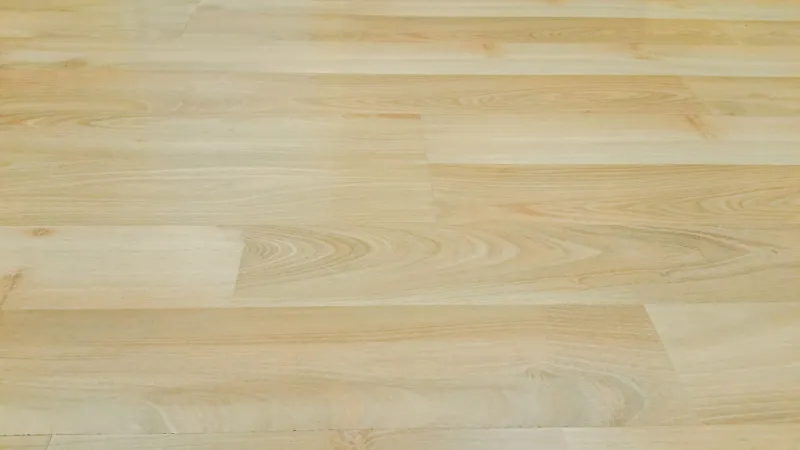
In a UK hall, the practical shortlist usually comes down to tile, LVT, engineered timber or a good-quality carpet. Each has a place. Quarry tiles or a matt porcelain can suit an older house and handle wet shoes, but they are unforgiving underfoot and noisy. LVT is hard-wearing and easy to clean, though it can look flat in a period space if the pattern is too uniform. Engineered oak brings warmth but needs a bit more care with grit and water.
Whichever you choose, spend on the bit underneath. A decent underlay improves sound, warmth and how the floor feels underfoot. Keep a box of spare tiles or boards if you can. Hallways are exactly where a small repair later saves a whole-floor replacement.
Stairs: runner, underlay and the bits you touch
Stairs are where hallway budgets either get smart or get sentimental. A full stair carpet can be lovely, but a runner over a prepared and painted staircase is often more practical. It gives you grip where feet land, protects the nosings and lets you replace the worn centre strip without redoing the whole staircase.
Do not skip the underlay on a runner. It makes the stairs quieter and kinder underfoot, and it helps the runner last. Stair rods are a matter of taste, but they do make replacement easier. If you have original spindles, repair and repaint rather than rip out. If you are replacing them, think about hand-friendliness: square, chunky spindles are easy to grip; delicate turned ones can be less so. A sturdy handrail at the right height matters more than a fashionable profile.
Paint that can take a scuff
Hallway paint has a hard job. Matt emulsion looks beautiful on a ceiling but can mark easily on walls that get brushed past. A scrubbable matt or a low-sheen eggshell is usually a better bet for the lower half of the hall, especially if you have children, bikes or a dog. Dark colours can work beautifully in a hall with good light, but in a narrow, dim space they can close things in. If in doubt, keep the main walls light and use colour on the stair wall, the inside of the front door or the cupboard joinery.
Light and storage
One pendant in the middle of a long hall is rarely enough. Warm, layered light makes the space feel bigger and more welcoming: a ceiling fitting for general light, a wall light or two, and perhaps a low-level light near the shoe area. Aim for warm white bulbs rather than icy white. If you are rewiring anyway, two-way switching at the front door and upstairs landing is a small luxury you will use every day.
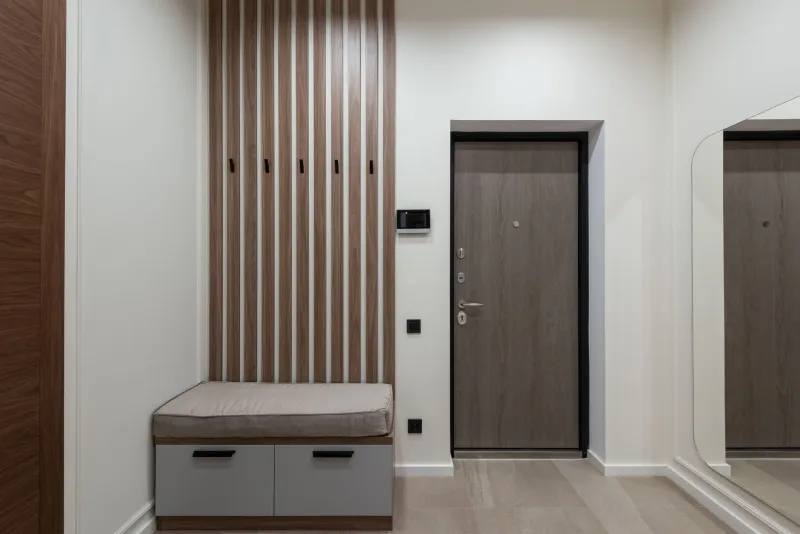
Storage needs to be shallow and specific. A bench with shoe space below, a row of hooks at the right height and a small shelf for keys will do more than a huge, deep cupboard that becomes a dumping ground. In a narrow hall, every piece of furniture should earn its footprint.
The sequence problem
Giving the hallway first call on the budget does not always mean starting the work first. It means deciding its specification early and protecting it from later mess.
If a kitchen or bathroom is coming later, think about where builders will carry materials and how they will get upstairs. A freshly laid runner can be ruined by a plasterboard delivery. A newly painted wall can be scuffed by a boiler change. The sensible sequence is usually: sort structural work, wiring and pipework first; plaster and repair; then decorate and fit the fragile finishes last. If the hall must be done early for daily life, choose finishes that can be touched in and protected. Keep spare paint, spare tiles and a note of the product codes.
Mistakes that shrink a narrow hall
A narrow hallway does not need much to feel tighter than it is. Bulky furniture, a deep coat cupboard that blocks the flow, and a dark floor running across a dark wall can all make the space feel like a corridor. Too many small objects — hooks, signs, bins, baskets — create visual clutter. A low pendant can feel like an obstacle. And gloss finishes on every surface can make a small hall feel strangely clinical rather than welcoming.
The better approach is usually calmer: one clear route through, storage that sits tight to the wall, a runner that leads the eye, and lighting that flatters rather than interrogates.
A budget rule of thumb
You do not need to spend a fortune, but it is worth ring-fencing a proper amount for the hall rather than treating it as a leftover job. Prioritise the floor, the stairs and the paint, because those take the daily hits. Then spend on lighting and storage. Decorative extras can wait.
First impressions are nice, but it is the daily practicality that really matters. Get the hallway right and the rest of the house feels easier to come home to.