The Quiet Architecture: Getting Internal Doors Right in an Older UK Home
Internal doors are the bit of a renovation everyone leaves until the end. Flooring gets sampled, kitchens get agonised over, paint colours get pinned to within an inch of their life, and then someone says, we will just get some doors — usually when the budget is frayed and patience is thin. Which is a shame, because doors are the handshake of a house. They tell you how rooms connect, how sound travels, how warm the hallway feels, and whether the whole job hangs together. Get them right and nobody notices; get them wrong and every trip to the loo feels like a compromise.
Start by taking stock, before the skip arrives
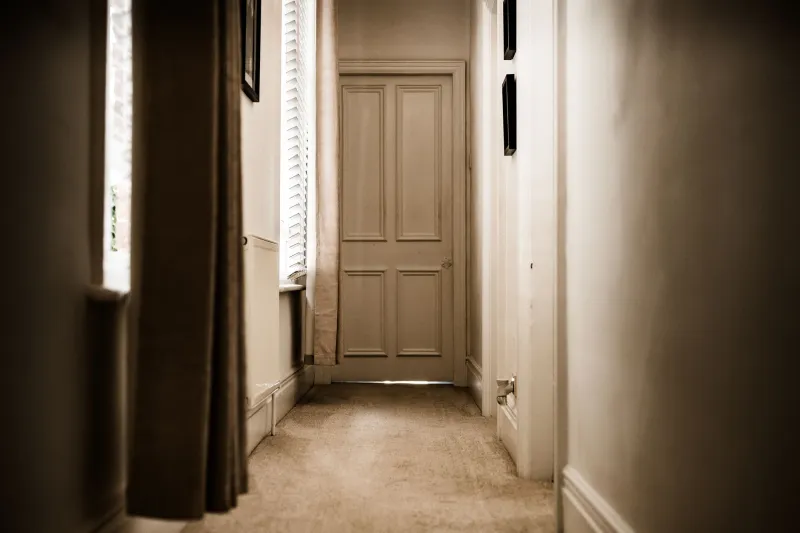
In an older UK home, the first question is not which door to buy but which doors to keep. Original panelled doors — Victorian four-panel, Edwardian, 1930s glazed-top — are often better made than anything you can buy off the shelf. They have weight, proportion and a history that new doors struggle to fake. Even a door with a few coats of paint and a dodgy latch is usually worth a closer look.
Check the basics: does it fit the opening? Is it twisted, warped or delaminating? Are the stiles and rails sound, or is the bottom rail rotting from years of mopping? Do the hinges sit in torn-out wood? Many problems are fixable by a joiner — splicing in a new piece of timber, re-hanging on new hinges, stripping back paint. A word of caution on old paint: if your house predates the 1980s, assume there could be lead paint and take proper precautions. A professional dip-and-strip service is often kinder than a heat gun and a weekend of improvisation.
If a door is too far gone, do not feel guilty. But keep the good ones. Matching a set of original doors later is far harder than reusing what you already have.
The sizing question, or why nothing is quite square
UK internal doors generally come in a handful of standard sizes: 762 x 1981mm, 686 x 1981mm and 838 x 1981mm, with a few wider options. In a newer house, these will usually drop straight into the linings. In an older house, all bets are off. Openings can be out of square, floor levels can vary, and previous owners may have made adjustments with a plane and optimism.
This is where a good joiner earns their keep. A smaller opening can sometimes be widened, but that means checking whether the wall is load-bearing and whether the extra dust and cost are worth it. A too-tall opening can be reduced with a new head or a deeper lining. A too-short door can be trimmed at the bottom — but only within limits, and never on a fire door unless the manufacturer's instructions allow it. If you are ordering new doors, measure the opening in several places, not just once, and let the joiner confirm before you click buy.
Fire doors: the part you cannot wing
Fire doors are not a design preference. In England and Wales, Building Regulations set out where they are required — commonly around integral garages, in flats, and in some loft conversions or three-storey houses. Scotland and Northern Ireland have their own rules. The short version is: ask your building control officer before you order anything.
A fire door is not just a heavy door. It needs the right certification, intumescent strips, smoke seals and often a closer, and it needs to be fitted correctly. You cannot assume an original door can be upgraded to fire-door standard just by adding a strip. Sometimes it can be done with the right tested products; often it cannot. This is not the place to improvise. If a fire door is required, budget for it properly and let someone who knows what they are doing hang it.
Glazing, light and the acoustics you did not know you cared about
Glazed doors can be lovely. They borrow light from a dark hallway, make a small landing feel less like a tunnel, and add a bit of period detail. But they also let sound through, and they need safety glass in the right places. In bathrooms and bedrooms, obscure glass is usually the sensible choice. In living rooms, clear glazing can work if you are careful about what is on the other side.
Think about acoustics before you fall for a pretty glass door. Solid doors are better at keeping sound in — useful if someone in the house works shifts or plays the trumpet. Glazed doors are better at letting light travel. In a busy family home, the difference between a solid door and a glazed one is the difference between a quiet phone call and a broadcast.
Draughts, gaps and the daily business of closing a door
A door that rattles, sticks or lets a gale through the letterbox is a small daily irritation. Gaps around the frame can be sorted with draught strips, brush seals or a threshold seal, but do not seal a room so tightly that ventilation is compromised — especially if there is a gas appliance or an open flue. A bit of fresh air is not a design flaw.
If sound is the issue, check the gap under the door first. A solid door with a two-centimetre gap will not do much for privacy. A simple seal can make a surprising difference for very little money.
Hardware: the jewellery of the door
Handles, hinges and latches are where a door either feels considered or feels like a last-minute purchase. Reuse original brass or ironmongery where you can; it often suits the house better than a shiny new set. If you need new, match the finish consistently — brushed brass in one room, black iron in another, chrome in a third can look like a showroom rather than a home.
Use three hinges on heavier doors, and do not skimp on screws. A decent latch and a handle that feels solid in the hand are small luxuries you will notice every day. For period homes, a simple thumb latch or a plain brass knob often looks more at home than a lever that belongs in an office.
Budget and sequence
As a rough guide, reusing and rehanging an existing door might cost £150–£400 per door depending on repairs and stripping. A new solid internal door might be £80–£300, with fire doors often £150–£400, plus fitting and hardware. Prices vary wildly by region and specification, so get a quote rather than relying on a rough figure.
Sequence matters: hang doors after plastering and painting are finished, or you will be sanding paint off the edges. If you are painting, take the door off its hinges, label the hinges and store it flat. And leave a little time at the end of the project for adjustment — doors swell in winter and stick in summer, especially in older houses.
The best internal doors are not the most expensive ones. They are the ones that suit the opening, the house and the way you live. Keep the good originals, be realistic about fire rules, measure twice, and spend where it shows. Then close the door, and enjoy the quiet.