Two Metres of Nothing: What Your Side Return Could Actually Become
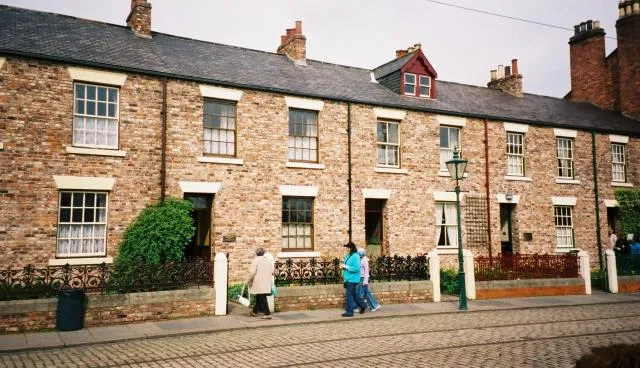
Photo: Dave Eagle, CC BY-SA 2.0, via Wikimedia Commons
There is a particular strip of land behind almost every Victorian and Edwardian terrace in Britain. You know the one. Roughly two metres wide, running the depth of the back addition, holding a drain, a downpipe, a wheelie bin and a patch of gravel that has seen better days. It gets called the side return, and for most of the house's life it has been nobody's favourite place.
Then you buy the house, and it becomes the most valuable two metres you own.
The trouble is that most of us arrive at the same conclusion at the same time - glass roof, sliding doors, done - without asking whether that is right for this house, this budget, this drain. Sometimes the full extension is the answer. Sometimes it is the most expensive way to make a kitchen darker. Here is a way to work out which side of that line you are on.
What the side return actually is
A quick recap, because the awkwardness is designed in. The terrace was built as a deep block, with a narrower back addition - the outrigger - housing the scullery. The gap between that outrigger and the party wall was never intended to be lived in. It existed to let light and air into the back of the house, and in most cases to carry the drainage for the whole property.
That is the tension at the heart of every side return project: the space exists because the house needed light and drainage, and anything you build there borrows from both. Understanding that before you draw anything will save you a great deal of money.
Four options, roughly priced
The figures below are indicative for 2026 and vary enormously by region, access and specification. Treat them as a shape, not a quote.
1. Extend into it
The full side return extension - usually a flat roof with rooflights or a glass roof, glazed doors to the garden and a new opening from the kitchen - adds the most space and, generally, the most value. Budget somewhere in the region of £25,000 to £45,000 outside London, and £30,000 to £60,000 in London and the South East, more if the drainage needs diverting or the party wall needs an award. It is also the option that eats the most light, because you have just roofed over the thing that was lighting your kitchen.
2. Turn it into a light well
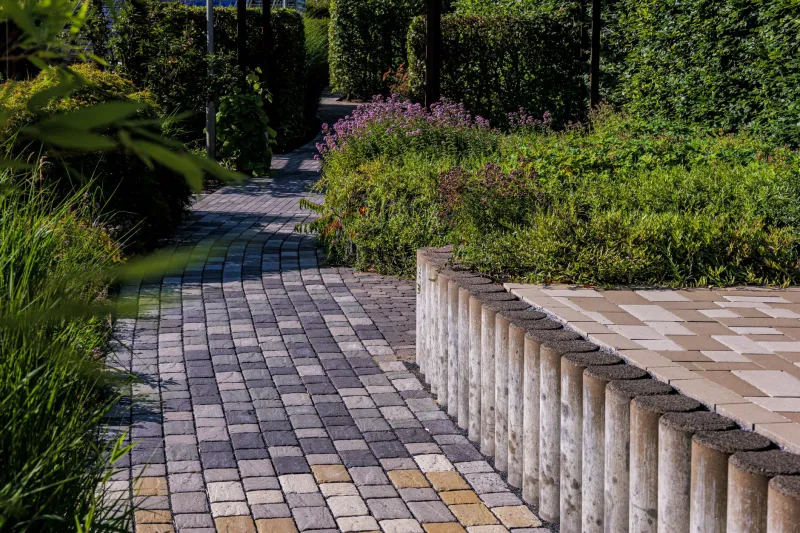
A courtyard: paving, a proper drain, a couple of shade-tolerant plants, maybe a bench and a decent fence. £2,000 to £8,000. It adds no room at all, and yet it can transform how the kitchen feels, because the view out of the window stops being a bin and starts being a garden.
3. Use it for storage
A lean-to for bikes, boots, bins and the things currently colonising the hall. £6,000 to £15,000 depending on whether it is heated, insulated and properly built. Check permitted development rights first, and be honest about whether a solid structure will block light and airflow to the rooms behind it.
4. Leave it as a planted passage
£300 to £1,500. Gravel, ferns, a stepping-stone path, a bin store that does not embarrass you when guests arrive. The cheapest option by a mile, and one that more homeowners should seriously consider before picking up the phone.
The four questions that decide it
How much light does the kitchen actually get?
Stand in the kitchen at 10am in November. That is the test, not a July afternoon. If the room is already gloomy, roofing over the side return will make it gloomier unless you spend properly on glazing - and glazing is where side return budgets quietly double. If the room is bright and the side return is just a view of bins, a courtyard may give you more pleasure per pound than an extension.
What is under the ground?
This is the question that sinks more projects than any other. Side returns frequently contain the main sewer run, a manhole, rainwater downpipes and drainage for next door as well as yours. Moving a manhole is expensive; building over one requires a build over agreement with your water company and a suitable inspection chamber. Get a drainage survey - a few hundred pounds - before you commission drawings. If the drain is a nightmare, a light well starts looking like very good value indeed.
Will planning allow it?
Most side return extensions fall within permitted development, but terraces are exactly where the exceptions live: conservation areas, Article 4 directions, flats and listed buildings. Check with the local authority before you fall in love with a drawing. And remember the Party Wall etc. Act 1996 - an excavation within three metres of a neighbour's foundations usually means a party wall award, and in a terrace you are always within three metres of somebody.
What is the money actually for?
If the goal is a bigger kitchen-diner for a growing family, the extension earns its keep. If the goal is a vague sense that you should do something with it, the courtyard probably wins. Be honest about which one you are doing.
Three quick before-and-afters
The bin alley that became a courtyard. A 1900s terrace in Sheffield with a dark galley kitchen. No extension at all - just paving, a new drain, a fence and a fig in a pot. The kitchen kept its light and gained a view. Cost under £5,000.
The glass roof that worked. A south London terrace where the kitchen already had two windows and a rooflight, and the side return was widened by only 1.8 metres. The glazing was specified properly and the result reads as a bright dining nook rather than a corridor. Cost north of £55,000.
The lean-to that should have been a courtyard. A common story: a solid storage shed built tight against the kitchen window, taken down again two years later. Cheap to build, expensive to undo.
When doing nothing is the smart move
If the drain is complicated, the budget is tight, the kitchen is already light, or you are planning to move within three years, the honest answer may be gravel, plants and a better bin store. That is not a failure of ambition. It is a recognition that the side return is a compromise the house made a hundred and thirty years ago, and sometimes the kindest thing is to let it keep doing its job.
Decide with a surveyor, a drainage report and a walk around the kitchen at 10am in winter. Then build - or plant - with confidence.