The No-Builder Weekend List: Seven Changes That Make a Real Difference - All Under £3,000
There is a strange assumption in British renovating culture that meaningful change requires scaffolding and a six-month timeline. It does not. Some of the most satisfying transformations happen over two Saturdays with a heat gun, a decent brush and a car boot full of supplies.
The list below is about that kind of project. All of it is cosmetic or minor improvement work, all of it typically falls outside planning permission, and every one of them lands comfortably under £3,000 if you pick sensibly. Before you start on a listed building, in a conservation area or in a flat where you pay a service charge, check with the local authority or freeholder - the rules are stricter there, and a quick phone call beats an awkward letter later.
1. Re-grout and re-seal the bathroom
Nothing dates a room faster than yellowed grout and black silicone. Replacing both lifts a bathroom from 'tired' to 'looked after' without touching a tile.
- Cost: roughly £80-£250 in materials for a standard bathroom if you do it yourself; £300-£600 for a professional rake-out and re-grout.
- Time: a full weekend, plus 24 hours before you use the shower.
- The detail that matters: rake out the old grout properly rather than grouting over it, and use a mould-resistant silicone designed for bathrooms. Tape the joint lines before you smooth and pull the tape while the silicone is still wet.
2. Paint the kitchen cabinets
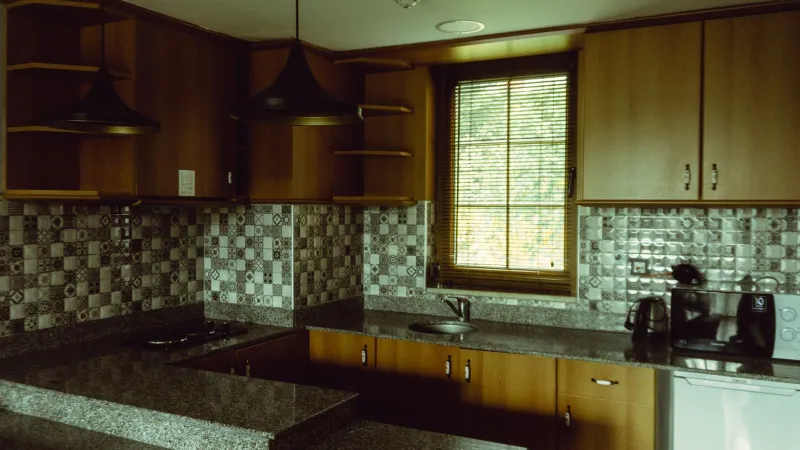
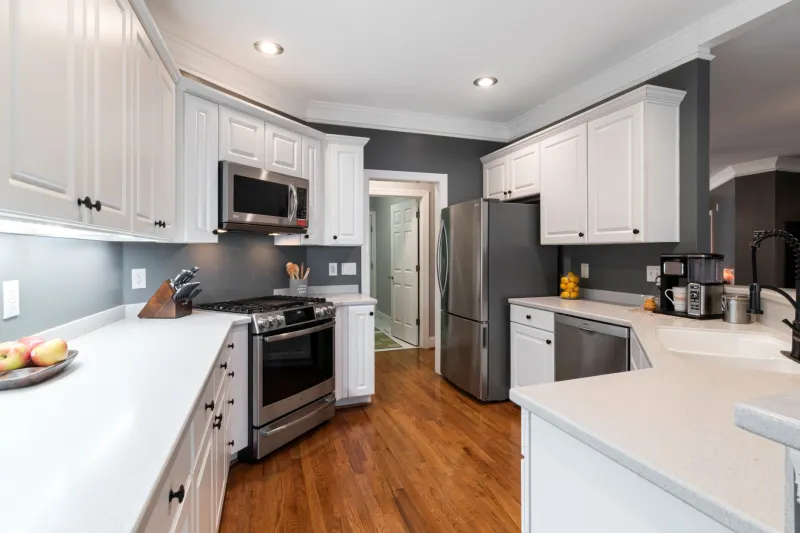
A new kitchen is the classic budget sinkhole. Painting what you already have - assuming the carcasses and doors are sound - buys you five or ten years and changes the whole room's mood for a fraction of the price.
- Cost: £150-£400 in materials DIY; £800-£2,000 for a specialist spray or hand-painted finish on a typical UK kitchen.
- Time: two weekends, with drying gaps, and a week of living carefully while it hardens.
- The detail that matters: degrease religiously, use a bonding primer, and take the doors off and lay them flat. Also accept that a two-pack or sprayed finish is harder-wearing than hand-painted eggshell if the kitchen gets heavy daily use.
3. Swap internal doors and ironmongery
Few upgrades change a hallway as quickly. Original doors should stay - they are part of the house's character. But hollow 1980s doors, or a mismatched set, can be replaced with something more honest and better proportioned.
- Cost: £60-£150 per door for a decent standard or cottage-style door; £100-£250 per door for fitting, so a five-door house lands around £1,000-£1,800.
- Time: one weekend for fitting if you are handy; otherwise a joiner's day plus your own painting time.
- The detail that matters: match the door style to the age of the house rather than to a showroom trend, and invest in decent brass or black hardware. Cheap handles undo the effect of good doors.
4. Add picture rails and simple mouldings
Picture rails, a modest dado rail or a restored skirting profile make a Victorian or Edwardian room look like it has always belonged to you. It is one of the cheapest ways to buy back character.
- Cost: £15-£30 per metre for materials; a small front room typically comes in under £250, plus paint.
- Time: one long weekend including filling and painting.
- The detail that matters: run the rail at a consistent height and match the existing profile where there is one. Caulk the joint to the wall neatly - it is the line that gives it away.
5. Refresh tired floorboards
If you have original boards under carpet, you are sitting on an asset. Lifting the carpet, sanding back and finishing properly gives a room a completely different acoustic and visual feel.
- Cost: £100-£200 to hire a drum sander and edger for a weekend, plus £60-£120 for finish and filler.
- Time: two weekends, because the floor needs to dry between coats.
- The detail that matters: fill the gaps with a flexible filler rather than a rigid one, and accept a little draught as part of the charm. A large wool rug does the rest, and rugs are a genuinely useful acoustic fix in older homes.
6. Change the small electrics and hardware
Switch plates, sockets, door handles, cupboard knobs and radiator valves are the punctuation marks of a room. New white plastic where there was old brass, or brushed steel where there was yellowed plastic, quietly shifts the date of the whole space.
- Cost: £10-£25 per socket or switch, £5-£30 per knob or handle. A typical house comes in at £200-£500.
- Time: an afternoon, or a day if you are doing everything.
- The detail that matters: keep it consistent within sightlines, and have anything involving wiring in a kitchen or bathroom checked by a competent electrician. Changing a socket is not the place to discover you are unsure.
7. Repaint the front door and the hall
First impressions are unfairly powerful. A properly prepared front door in a colour you have actually chosen, plus a freshened hallway, changes how you feel about coming home - and how the house reads from the street.
- Cost: £40-£90 in good exterior paint and sundries; £120-£250 for a professional door repaint.
- Time: one weekend to prep and prime, another to finish, depending on the weather.
- The detail that matters: preparation is the whole job. Sand, fill, clean and prime before a single top coat. If the door is original timber, keep it - it will outlast anything you buy to replace it.
Doing it well rather than doing it fast
The difference between a refresh that looks deliberate and one that looks like a rushed weekend is usually the boring part: prep, consistency and restraint. Choose a small palette and repeat it. Match your hardware. Fill your holes. Let paint cure before you move the furniture back.
And give yourself permission to do these in succession rather than at once. One item per month over a year is a calmer, cheaper and usually better-looking route to a house that feels like yours - no planning portal required.