The Inspiration Filter: Turning Saved Renovation Photos Into a Brief That Actually Works
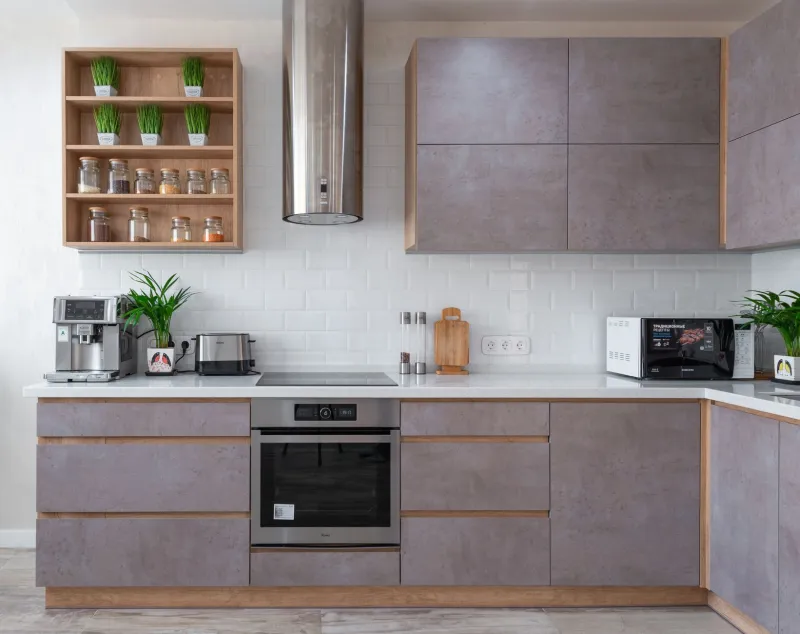
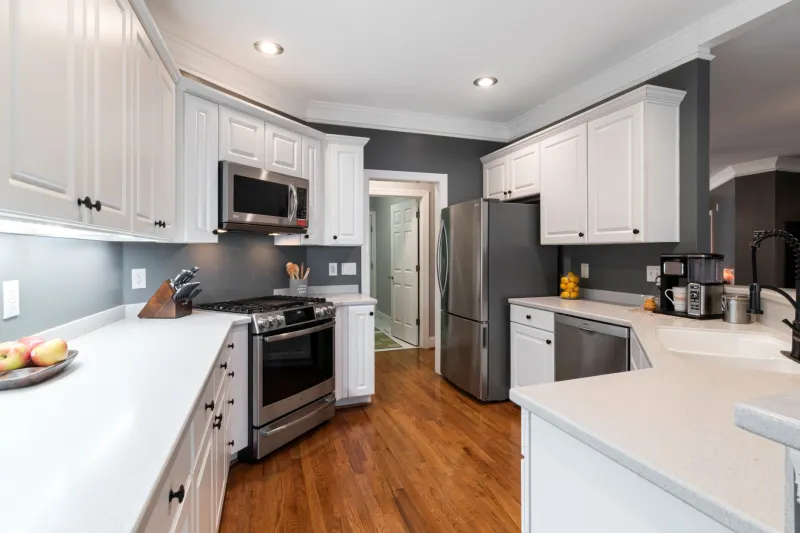
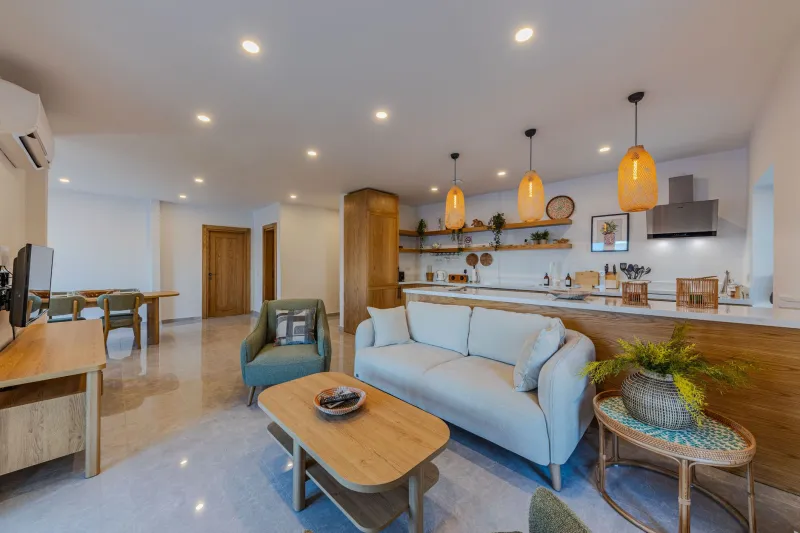
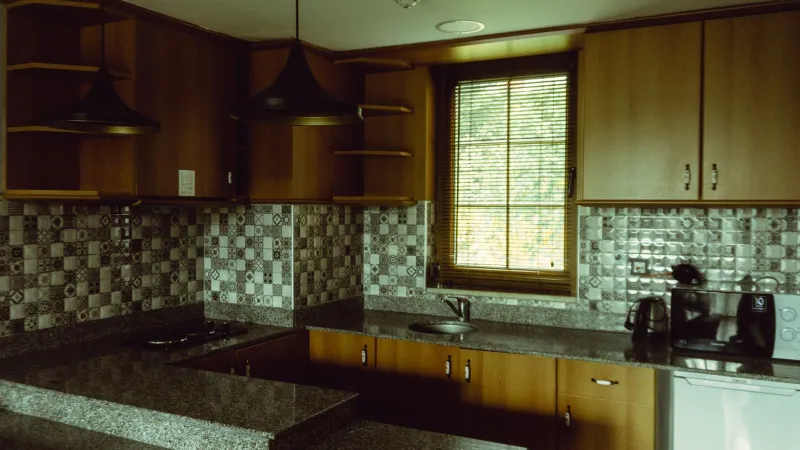
We all have a folder. Maybe it is called House Ideas, maybe it is just a camera roll full of screenshots. A light-flooded kitchen. A clever little cloakroom. A bedroom that looks calm enough to make you put your phone down and start measuring your own walls. Before-and-after photos are powerful because they promise transformation in two swipeable images.
At Renew Design, we are all for a bit of renovation envy. It is often the spark that gets a project moving. But a photo is not a plan. The gap between the image you saved and the room you can actually build is where most of the stress, overspend and disappointment lives. So before you send that grid post to a builder and say 'this please', run it through a few honest filters.
Start With the Feeling, Not the Finish
Ask yourself what you actually love about the image. Is it the layout, or the light? The colour of the cabinetry, or the fact that there is no clutter because the owner has a utility room the size of your kitchen? Sometimes we save a photo for the mood and then accidentally copy the specification. A calm, uncluttered room might be achieving that feeling through concealed storage, not through the paint colour. A warm room might be warm because of three layers of lighting, not because of the lamp in the corner. Separate the feeling from the fittings.
Question One: What Happened Before the 'Before'?
The before shot is rarely the true starting point. It is often after a strip-out, after a wall has come down, or after a very tidy day of clearing. Look at the walls, ceilings and floors. Is there a steel beam? Is the ceiling lower in one half of the room? Has a chimney breast disappeared? If the after shows an open-plan kitchen-diner, there was almost certainly structural work, building regulations approval and possibly a party wall agreement. None of that appears in the caption. Your builder will price what is in your house, not what is in the photo.
Question Two: Where Did the Services Go?
Renovation photos are very good at hiding pipework and very bad at explaining it. Moving a radiator is one thing. Moving a sink, a boiler, a consumer unit or a toilet is another. In a kitchen, relocating the sink can mean new waste runs and falls. In a downstairs WC, moving the soil pipe can turn a small refresh into a proper plumbing project. If the after image shows a basin floating in a new position, ask where the waste goes. If the hob has moved, ask about gas and extraction. Services are the invisible budget line that catches people out.
Question Three: Is the Room Actually the Same Size?
Wide-angle lenses are a wonderful thing. So are mirrors, low furniture and a lack of doors. Before you fall for a layout, check the floor plan or at least compare window positions, ceiling heights and door swings. A huge island looks generous in a photo, but if your room is 3.2 metres wide, do the maths before you order the quartz. Sometimes the after photo is a different room altogether, or a rear extension that has changed the whole footprint. Inspiration is fine. Pretending your terrace has the same proportions as a Cheshire new-build is where it gets expensive.
Question Four: What Is Staging and What Is Build?
Styling is not cheating, but it is not construction either. Plants, rugs, open shelving, carefully chosen towels and a complete absence of bins can make a room feel finished. That does not mean the room will feel like that on a Tuesday morning with school bags and a dog. Look for what is fixed: joinery, tiles, lighting, flooring, windows. Then ask what you would need to buy or build to get the same effect. A beautiful alcove might be bespoke cabinetry. A tidy hallway might be a full wall of concealed storage. Budget for the built stuff, not just the pretty stuff.
Question Five: What Would This Cost in My Postcode?
Regional cost differences are real. Labour rates, scaffold, parking permits, waste removal and material availability vary across the UK. A kitchen renovation in London can carry a very different price tag from a similar scope in Leeds, Cardiff or rural Scotland. That does not mean you cannot use the inspiration. It means you need local quotes. Use the photo as a design reference, not a cost reference. If you are comparing budgets, ask for a breakdown rather than a single lump sum. A good builder will tell you where the money is going.
Question Six: What Sequence Does This Project Need?
Before-and-afters skip the messy middle. They do not show the first fix, the plaster dust, the week when the kitchen is in the front room. Sequence matters more than most people expect. If you want underfloor heating, decide before the screed goes down. If you want wall lights, decide before plastering. If you want to move the loo, decide before tiling. Make a simple order of work: strip-out, structural work, first fix, plaster, second fix, tiling, decorating, snagging. Then check your inspiration against it. A beautiful finish cannot rescue a badly timed decision.
Question Seven: What Would You Keep If You Could Not Have It All?
This is the question that turns inspiration into a real brief. If the budget shrinks, what stays? For most of us, it is light, storage, layout, heating and function. Then finishes. It is fine to copy a paint colour or a tile shape. It is riskier to copy a layout without knowing what is under the floor. Choose two or three elements that genuinely matter to you and invest there. Let the rest be sensible.
Turn the Scroll Into a One-Page Brief
Write it down. Room, goal, non-negotiables, nice-to-haves, budget range, constraints and questions. Add three or four saved images with notes: 'love the light', 'not this layout', 'this is the tile, not the whole room'. Show that to your builder or designer. It gives them something useful to react to, and it gives you a reality check before you fall in love with a room that was never yours.
Inspiration is not the enemy. It is a starting point. You do not need to recreate the photo. You need a room that works in your house, for your life, on your budget. Save the image, question it kindly, then brief it properly.